How to Teach Science Without a Science Background
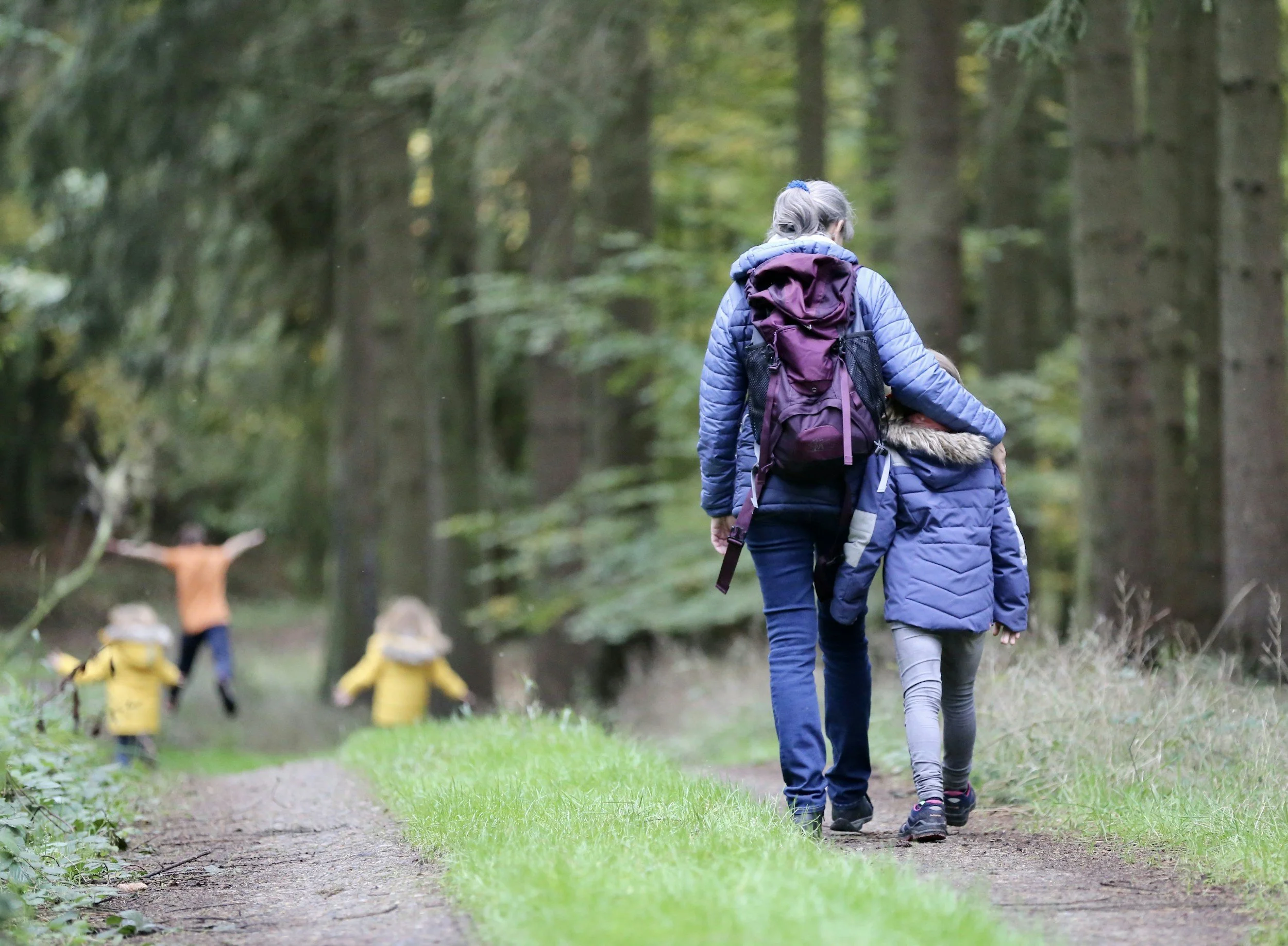
You don’t need a science degree to teach science—just curiosity and a willingness to explore.
When you think about teaching science, what comes to mind?
Maybe you picture complicated experiments, scientific vocabulary, or a teacher standing in a lab coat explaining things you learned years ago (and may not remember!).
For many homeschool parents and educators, teaching science at home can feel intimidating. You might feel comfortable teaching reading, math, or history, but science can bring up questions like:
"What if my child asks something I don't know?"
"How can I teach science if I never loved science myself?"
"Do I need a science degree to provide meaningful science activities for kindergarten or elementary students?"
The answer is simple: No! You do not need to be a scientist to help children become scientists.
Young children are naturally curious. They already ask scientific questions every day:
Why do leaves change color?
How do bugs see?
Why does ice melt?
What makes things move?
Where did dinosaurs go?
Your job is not to have every answer. Your job is to help them explore, ask questions, and discover how the world works.
Focus on Curiosity, Not Memorization
For young children, science is less about memorizing facts and more about building a way of thinking.
I say this as a PhD-trained scientist: the biggest lesson I learned throughout my scientific training is that the best scientists are not necessarily the people who know the most facts. The best scientists are the ones who ask the best questions.
Science begins with curiosity.
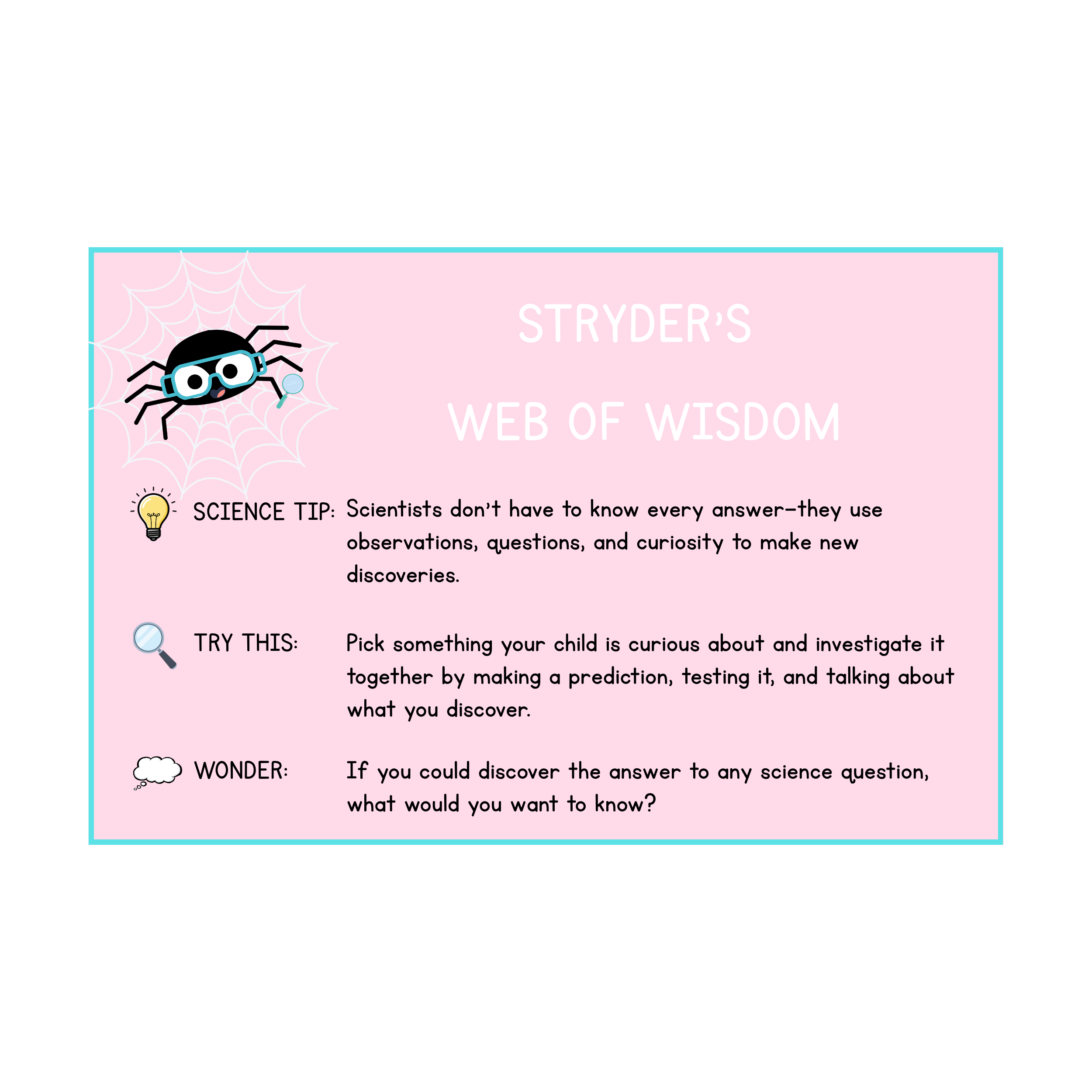
Scientists do not move the world forward because they already know everything. They make discoveries because they are willing to wonder, investigate, and look at problems in new ways.
That is exactly what we want to encourage in children.
A great early childhood science education experience helps children:
Observe carefully
Ask questions
Make predictions
Test ideas
Notice patterns
Explain what they discover
You don't need to turn your kitchen table into a laboratory or teach complicated scientific theories. Some of the best science learning happens through simple moments of exploration.
A child watching a spider build a web, examining a rock they found outside, or testing which objects sink and float is already doing science.
You Are Allowed to Learn Alongside Your Child
One of the best parts about homeschool science is that you don't have to be the expert in the room.
In fact, children often love when adults say:
"I don't know! Let's find out together."
That sentence models one of the most important parts of science: curiosity.
Scientists don't start with all the answers. They start with questions.
When your child asks something you don't know, you can:
Look it up together
Make a prediction before finding the answer
Try a simple experiment
Encourage your child to explain their thinking
Learning alongside your child turns science into an adventure instead of a lesson.
Use Science Resources Designed for Young Learners
Another way to make science less overwhelming is to use resources that guide you through the process.
A good homeschool science curriculum should provide:
A simple introduction to the topic
Age-appropriate explanations
Hands-on science activities
Questions to encourage discussion
Opportunities for children to create, observe, and think
The goal is not to make young children experts in biology, chemistry, physics, or astronomy overnight.
The goal is to help them see themselves as scientists.
When choosing science activities for elementary students, look for activities that encourage exploration instead of simply asking children to memorize information.
Teach What Excites You
You don't have to cover every area of science perfectly. Start with topics that spark curiosity.
Maybe your child loves animals. Explore biology or ecology.
Maybe they love space. Explore astronomy.
Maybe they are fascinated by dinosaurs. Explore paleontology.
Science is everywhere, and every topic is an opportunity to encourage wonder.
Remember: Science Is Already Happening Around You
You don't need a science degree, a classroom full of equipment, or years of experience to teach science.
You need curiosity, a willingness to explore, and a child who is excited to ask questions.
The best science teachers are not always the people who know the most facts. They are the people who help children wonder.
So the next time your child asks, "Why?" don't worry about having the perfect answer.
That question is where science begins.
At Itsy Bitsy Scientist, our goal is to help families and educators bring hands-on science adventures to young learners through engaging stories, activities, and discoveries. Our hands-on science curriculum introduces children to unique areas of science while helping them build confidence, creativity, and curiosity.
Science is for everyone—and it starts with a question.
About the Author: Nina is a PhD-trained scientist and the creator of Itsy Bitsy Scientist. After years of exploring the mysteries of science through research, she discovered that the most exciting part of science is the journey of discovery. She uses her scientific experience to create hands-on adventures that spark curiosity, inspire young minds, and help children see themselves as scientists.
