Backyard Biology: 8 Outdoor Biology Activities for Kids
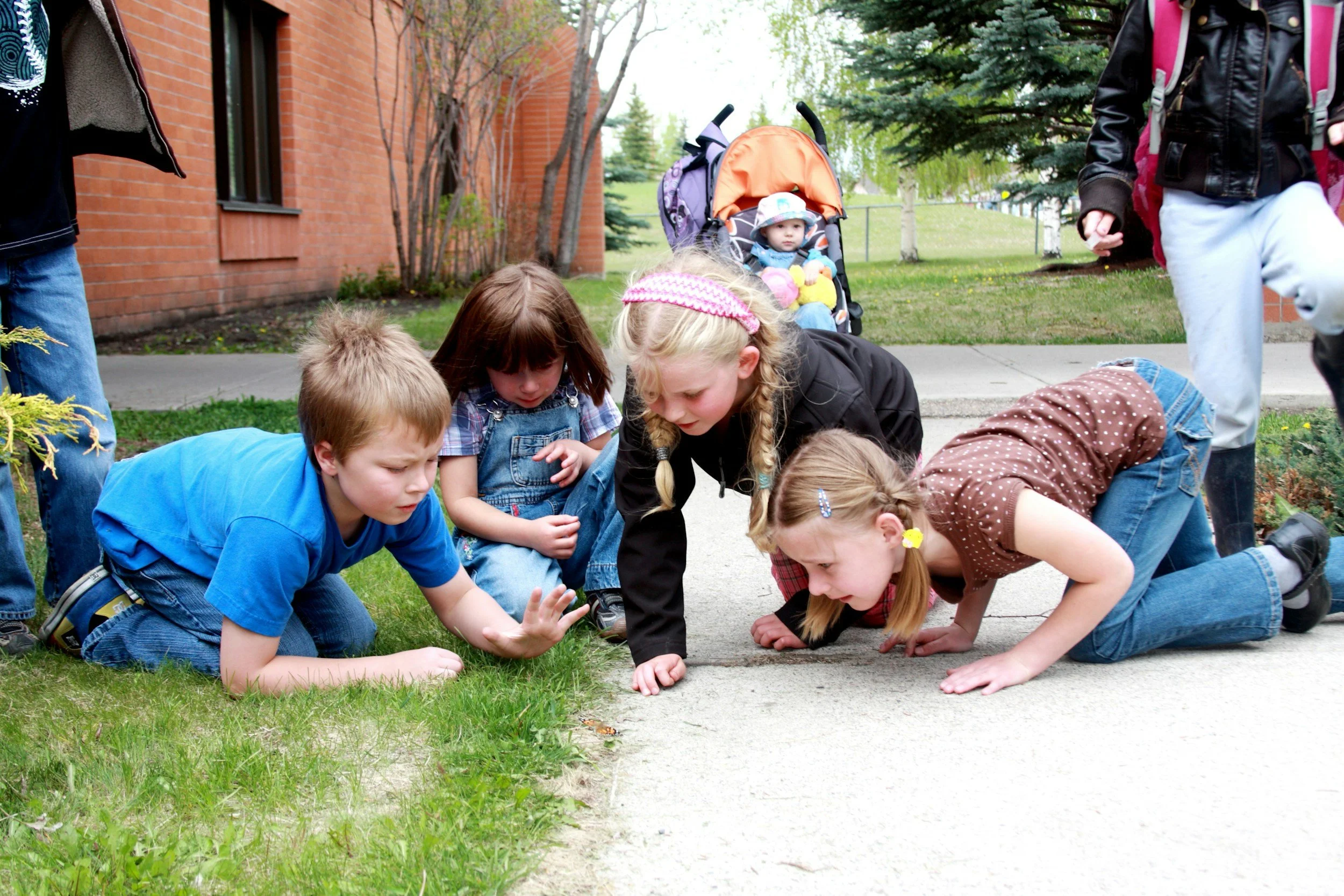
Have you ever watched a child stop to look at a bug, pick up a strange leaf, or wonder why one plant is growing somewhere and another isn't? Those little moments of curiosity are the perfect beginning to biology.
As someone with PhD training, one of the biggest things science has taught me is that observation comes before answers. Scientists don't start by knowing everything—they start by noticing something, asking questions, and wondering why. Young children are naturally good at this!
You don't need a microscope, a laboratory, or a complicated science experiment to introduce young children to biology. Sometimes, all you need to do is step outside.
Your backyard, playground, neighborhood, or local park can become a giant outdoor science laboratory!
Whether you're a homeschool parent, classroom teacher, or simply looking for an easy science activity for kids, backyard biology is a wonderful way to help children observe living things and start thinking like scientists.
What Is Biology?
Biology is the study of living things.
That includes animals, plants, insects, fungi, microorganisms, and even humans!
For young children, biology doesn't have to begin with complicated vocabulary. It can begin with simple questions:
What is that bug doing?
Why are these leaves different?
What does this plant need to grow?
Where do ants live?
Why do birds have feathers?
What animals live in our backyard?
Is that mushroom a plant?
Children are naturally curious about living things. Backyard biology gives them a chance to turn that curiosity into observation and discovery.
1. Go on a Bug Hunt
Bugs are everywhere!
Choose a small area outside and spend a few minutes looking carefully at the ground, plants, trees, and underneath leaves.
You might find:
Ants
Beetles
Spiders
Caterpillars
Butterflies
Bees
Flies
Grasshoppers
Worms
Encourage your child to observe without touching the animals.
Ask questions like:
What does it look like?
How many legs can you see?
Does it have wings?
Where is it going?
What is it doing?
What do you think it is looking for?
You don't have to identify every insect you find.
The goal is to practice observing.
Scientists don't always begin by knowing exactly what they are looking at. They begin by noticing details and asking questions.
2. Become a Plant Detective
Plants are another easy way to explore biology outside.
Choose two or three different plants and compare them.
Look closely at their:
Leaves
Stems
Flowers
Seeds
Colors
Shapes
Textures
Ask your child:
Which leaves are bigger?
Are the leaves smooth or rough?
Are they all the same color?
Do the plants have flowers?
Where are the plants growing?
Why do you think they are growing there?
You can even look at plants growing in different places.
Compare a plant growing in the sunshine with one growing in the shade. What differences do you notice?
This simple observation can lead to conversations about what plants need to survive, including sunlight, water, air, and nutrients.
3. Look for Signs of Animals
You don't have to actually see an animal to know that one has been there.
Look for clues!
Children can search for:
Bird feathers
Nests
Holes in leaves
Spider webs
Ant hills
Animal tracks
Chewed leaves
Acorns or seeds that have been moved
Droppings
Ask:
"What do you think happened here?"
This turns a simple walk outside into a science investigation.
Your child can make a prediction about which animal left the clue and explain what evidence they found.
That's biology mixed with a little detective work!
4. Watch a Spider Build a Web
If you find a spider web, stop and take a closer look.
Spider webs are fascinating examples of animal behavior and engineering.
Ask your child:
What shape is the web?
Where is the web located?
What is the spider doing?
Why do you think the spider built its web there?
What do you think the web is used for?
You can even return to the same spot later to see if the web has changed.
Spiders can be a great way to introduce children to biology because they give kids something interesting to observe while encouraging questions about animal behavior, habitats, and survival.
5. Listen for Birds
Backyard biology isn't only about what we can see.
Sometimes we need to listen.
Find a quiet spot outside and spend a few minutes listening.
What do you hear?
Bird calls
Insects buzzing
Leaves moving
Wind
Water
Animals moving through grass
Ask your child to describe the sounds they hear.
Can they hear one bird or several?
Do the sounds change when you move to a different location?
You don't need to know the name of every bird to make this a science activity.
You are practicing observation and learning that scientists use many different senses when they study the natural world.
6. Search for Different Habitats
A habitat is a place where a living thing gets what it needs to survive.
You can find tiny habitats almost anywhere outside.
Look under a rock.
Look inside a bush.
Look at the base of a tree.
Look in a patch of grass.
You may discover that completely different organisms live in different places.
Ask:
What living things do you see?
What does this place provide for them?
Is it wet or dry?
Is it sunny or shady?
What could an animal eat here?
Where could an animal hide?
This helps children understand that living things are connected to their environments.
7. Observe How Nature Changes
One of the best backyard biology activities doesn't happen in just one day.
Choose one spot outside and visit it regularly.
Maybe it's a tree, flower bed, patch of grass, or garden.
Take a few minutes each time to observe what has changed.
You might notice:
New flowers
Growing leaves
Falling leaves
Insects appearing
Birds building nests
Mushrooms growing
Seeds developing
Plants becoming taller
Encourage your child to make predictions.
"What do you think this plant will look like next week?"
Then come back and find out!
This is a simple way to introduce children to the idea that scientists make observations over time and look for patterns.
8. Start a Nature Observation Journal
You don't need fancy equipment to create a science journal.
Give your child some paper and crayons or pencils.
Each time you go outside, have them draw something they observed.
They might draw:
A bug
A flower
A bird
A tree
A spider web
A leaf
An animal track
You can write down their observations underneath the picture.
For children who aren't writing yet, adults can record exactly what they say.
For example:
"I saw three ants carrying something."
That's a scientific observation!
Over time, your child's journal becomes a record of everything they've discovered.
What Should You Do If Your Child Asks a Question You Can't Answer?
This is one of my favorite parts of science.
You don't have to know the answer.
If your child asks, "Why does that spider have eight legs?" and you aren't sure, try saying:
"I don't know. What do you think?"
Then investigate together.
You can make a prediction, look for evidence, use a kid-friendly reference book, or simply keep observing.
Science isn't about having every answer.
It's about being curious enough to look for them.
Why Backyard Biology Matters
Young children don't need to memorize dozens of scientific terms to begin learning biology.
They need opportunities to:
Observe living things
Ask questions
Notice differences
Make predictions
Look for patterns
Explain their ideas
Explore the world around them
Most importantly, they need opportunities to see that science is happening all around them.
A spider building a web is biology.
An ant carrying food is biology.
A flower opening is biology.
A bird building a nest is biology.
A child wondering why any of it happens?
That's science, too.
Keep Exploring!
The next time your child asks to go outside, remember that you don't need a planned lesson.
You can simply grab a magnifying glass, head into the backyard, and start looking.
Look closely.
Ask questions.
Make predictions.
And let your little scientist lead the way.
You never know what you might discover!
About the Author: Nina is a PhD-trained scientist and the creator of Itsy Bitsy Scientist. After years of exploring the mysteries of science through research, she discovered that the most exciting part of science is the journey of discovery. She uses her scientific experience to create hands-on adventures that spark curiosity, inspire young minds, and help children see themselves as scientists.
