How to Encourage Scientific Curiosity in Young Children
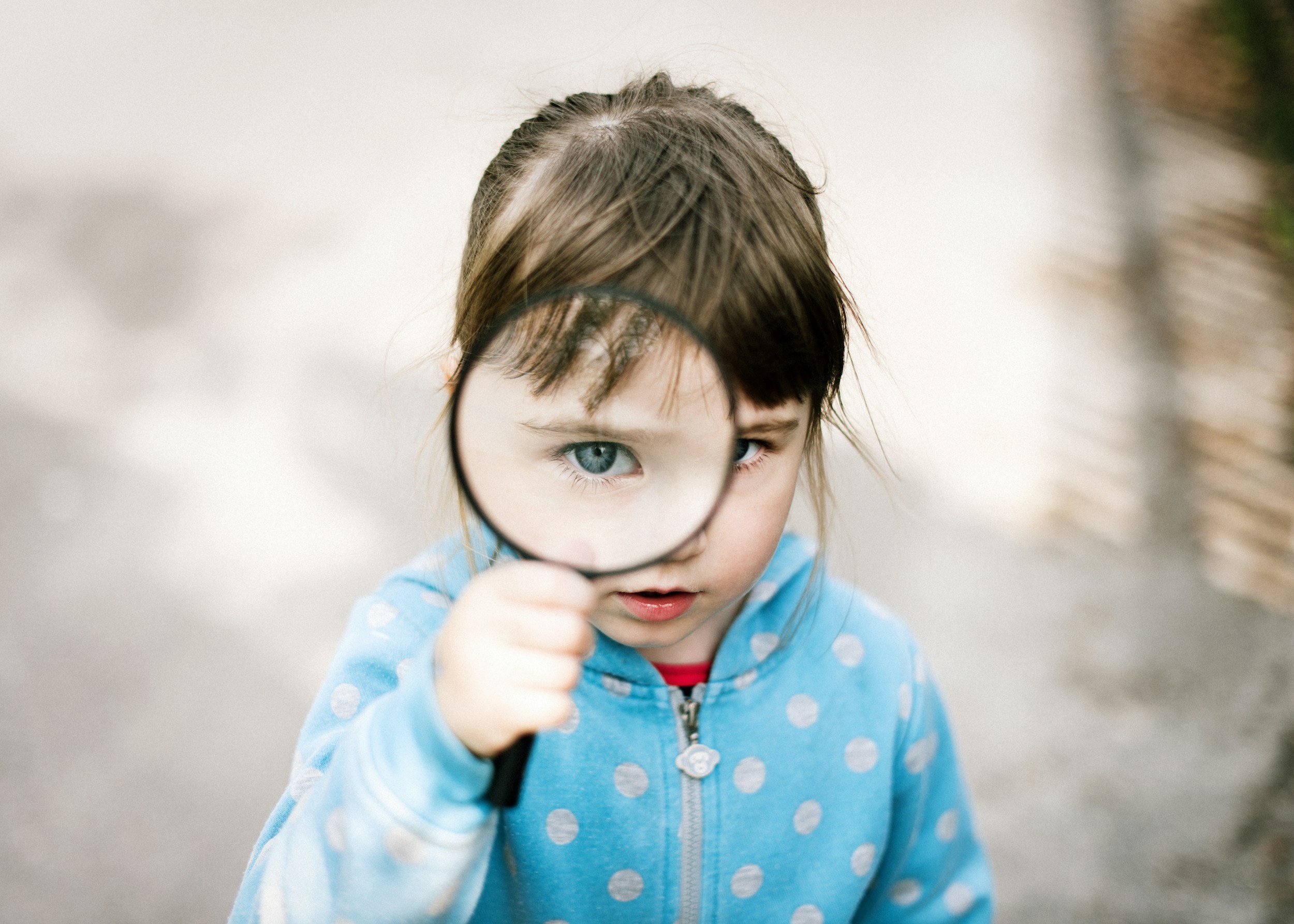
Children are born scientists.
From the moment they begin exploring the world, they observe, investigate, experiment, and ask endless questions. "Why is the sky blue?" "Where do worms come from?" "Why does ice melt?" Every question is a sign that your child is trying to understand how the world works.
The wonderful thing about scientific curiosity is that it doesn't require expensive equipment or complicated lessons. It grows through everyday experiences, meaningful conversations, and opportunities to explore.
Whether you're a parent, homeschool educator, or classroom teacher, here are simple ways to nurture a lifelong love of science.
What Is Scientific Curiosity?
Scientific curiosity is the desire to ask questions, make observations, test ideas, and discover how things work.
Young children naturally use many of the same skills that scientists do every day. They notice patterns, compare objects, explore their surroundings, and wonder why things happen.
Instead of focusing on finding the "right" answer, encourage children to enjoy the process of discovering new things.
1. Follow Your Child's Interests
Children are most excited to learn when they explore topics they already love.
If your child spends ten minutes watching a snail crawl across the sidewalk, lean into that moment. Talk about where snails live, what they eat, and why they move so slowly.
If they become fascinated by the moon, spend a few evenings observing how it changes shape.
Their interests are the perfect starting point for meaningful science learning.
2. Encourage Questions
Questions are the heart of science.
Instead of immediately providing answers, try responding with questions of your own:
"What do you notice?"
"Why do you think that happened?"
"How could we find out?"
"What do you think will happen next?"
These conversations help children become active thinkers instead of passive learners.
3. Make Predictions
Scientists make predictions before they experiment.
Before beginning an activity, ask your child:
Which object will sink?
Which ramp will make the toy car go faster?
What do you think will happen if we mix these colors?
Which plant do you think will grow the tallest?
Predictions teach children that science is about testing ideas—not guessing correctly.
4. Explore Nature
Nature is one of the best science classrooms you'll ever find.
Take a walk around your neighborhood or backyard and encourage children to observe:
Birds
Insects
Flowers
Leaves
Clouds
Rocks
Tree bark
Animal tracks
Ask open-ended questions that invite observation rather than memorization.
5. Let Learning Get Messy
Some of the best science lessons involve a little mess.
Mixing, pouring, digging, building, and experimenting allow children to experience science with all of their senses.
Don't worry if every experiment doesn't work perfectly.
Unexpected results often lead to the best questions.
6. Read Science Stories Together
Books introduce children to fascinating topics they might not encounter every day.
Choose stories about animals, space, weather, oceans, insects, or the human body.
After reading, ask:
What surprised you?
What would you like to learn more about?
What questions do you still have?
Books are often the beginning of a much bigger science adventure.
7. Celebrate Observations
Children don't need to memorize scientific vocabulary to be successful scientists.
Celebrate statements like:
"I noticed..."
"I wonder..."
"I think..."
"Let's try..."
These simple phrases build observation skills and encourage children to think critically.
8. Find Science in Everyday Life
Science happens all around us.
Everyday activities become science lessons when children are encouraged to observe and ask questions.
Examples include:
Baking introduces chemistry.
Gardening explores biology.
Building with blocks teaches engineering.
Watching rain teaches meteorology.
Collecting rocks introduces geology.
Looking at stars inspires astronomy.
The more children recognize science in everyday life, the more connected they become to the world around them.
Curiosity Lasts Longer Than Memorization
Facts may be forgotten, but curiosity lasts a lifetime.
When children feel encouraged to explore, wonder, and experiment, they begin developing the habits of lifelong learners.
At Itsy Bitsy Scientist, we believe science should spark excitement—not pressure. Through stories, songs, hands-on activities, and playful exploration, children discover that science isn't just something they study. It's something they experience every single day.
When we nurture curiosity, we're helping children build confidence, creativity, problem-solving skills, and a lifelong love of learning.
Frequently Asked Questions
At what age should children start learning science?
Children begin exploring scientific concepts from infancy through observation and play. By kindergarten, they are ready for simple, hands-on investigations that encourage questioning and discovery.
Do I need special science equipment?
No! Many engaging science activities use common household materials like water, paper, baking soda, vinegar, measuring cups, blocks, or natural objects found outdoors.
What if I don't know the answer to my child's question?
That's perfectly okay. Respond with curiosity: "That's a great question! How could we find out together?" Modeling the process of learning is just as valuable as knowing the answer.
Why are hands-on science activities important?
Hands-on experiences help children observe, experiment, and make connections through play. They often remember concepts better when they can explore them themselves rather than simply hearing about them.
Looking for ready-to-use science adventures?
Itsy Bitsy Scientist offers downloadable science units designed for kindergarten through second grade that inspire curiosity through stories, songs, hands-on investigations, worksheets, coloring pages, and collectible science badges. Each unit introduces a unique branch of science—from microbiology and neuroscience to archaeology and astronomy—making science exciting, approachable, and memorable for young learners.